

Sydney’s mix of dense housing, older buildings, warehouses, restaurants, and warm weather means mice can move between properties quickly. A successful outcome is not just “no mice today”; it is making the site unattractive next month as well.
What causes mice to come back after mouse removal in Sydney?
Effective mouse removal Sydney services focus on removing not only the existing mice but also the conditions that allow them to return. They come back when the original conditions remain. If small gaps, clutter, or accessible food sources are still present, mice will re-enter and rebuild.
Another common cause is incomplete proofing. Mice can squeeze through holes roughly the size of a 10-pence coin, so even “tiny” gaps around pipes, doors, and roof spaces can undo professional removal.
Which entry points should they seal first to stop reinfestation?
They should start with the most common and easiest-to-miss access points. The priority is anywhere that connects outdoors to kitchen, pantry, roof void, subfloor, garage, or storerooms.
Key places to check include gaps under external doors, damaged weather seals, weep holes and vents without mesh, pipe penetrations under sinks, gaps around air-conditioning lines, and cracks where walls meet slabs. Roof gaps, broken tiles, and open eaves are also frequent pathways, especially where trees touch the structure.
How can they rodent-proof a home without trapping moisture or causing damage?
They should use the right materials for each location. The goal is to block access while maintaining ventilation and avoiding water issues.
For small holes, rodent-proof sealant combined with stainless steel mesh or copper mesh works well. For larger gaps, builders’ flashing, metal plates, or cement repair is usually better than foam alone. Ventilation points should be fitted with corrosion-resistant mesh rather than sealed shut, so airflow remains while mice are kept out.
What food and water changes stop mice from settling again?
They should remove the “easy wins” that attract mice at night. If food and water stay accessible, mice do not need to travel far, which reduces the chance they are noticed early.
Food should be stored in sealed containers, not thin plastic bags or cardboard. Pet food should be put away overnight, and bird seed should be handled carefully, since spillage feeds rodents. They should clean under ovens, fridges, and toasters where crumbs build up. Leaks under sinks, dripping outdoor taps, and condensation trays should be fixed because water access supports nesting and breeding.
How should they manage bins, gardens, and outdoor areas in Sydney?
They should treat outdoor spaces as the first line of defence. Many repeat infestations begin outside and move indoors when temperatures drop or food becomes scarce.
Bins should have tight lids and be kept clean, with waste bagged properly. Compost should be enclosed and maintained correctly. Gardens should be kept tidy with reduced ground clutter, and firewood should be raised off the ground and stored away from walls. They should trim branches that touch roofs and reduce dense vegetation near entry points, as these create safe travel routes and cover.
Why do roof voids, subfloors, and garages keep triggering repeat infestations?
They provide warmth, shelter, and low disturbance. Even if the main living areas look clean, these zones often contain stored items, insulation, and hidden gaps.
They should reduce clutter, store items in sealed tubs, and keep boxes off floors where possible. Any openings between these areas and the rest of the building should be sealed. If insulation is damaged or contaminated, replacement may be needed; otherwise, odours can continue to attract rodents.
What role do professional inspections and follow-ups play after mouse removal?
They confirm the problem is fully resolved and that proofing is actually effective. A single treatment without follow-up can miss new entry points, neighbouring activity, or early signs of return.
A good mouse removal process typically includes an inspection, a control plan suited to the building, targeted placement of control devices, and a proofing plan with clear recommendations. Follow-ups help ensure activity has stopped and identify fresh droppings, gnaw marks, rub marks, or new tracks before a small issue becomes a full infestation again.
How can they tell early if mice are returning?
They should look for subtle signs, especially at night and in quiet spaces. Early detection reduces damage and makes removal easier.
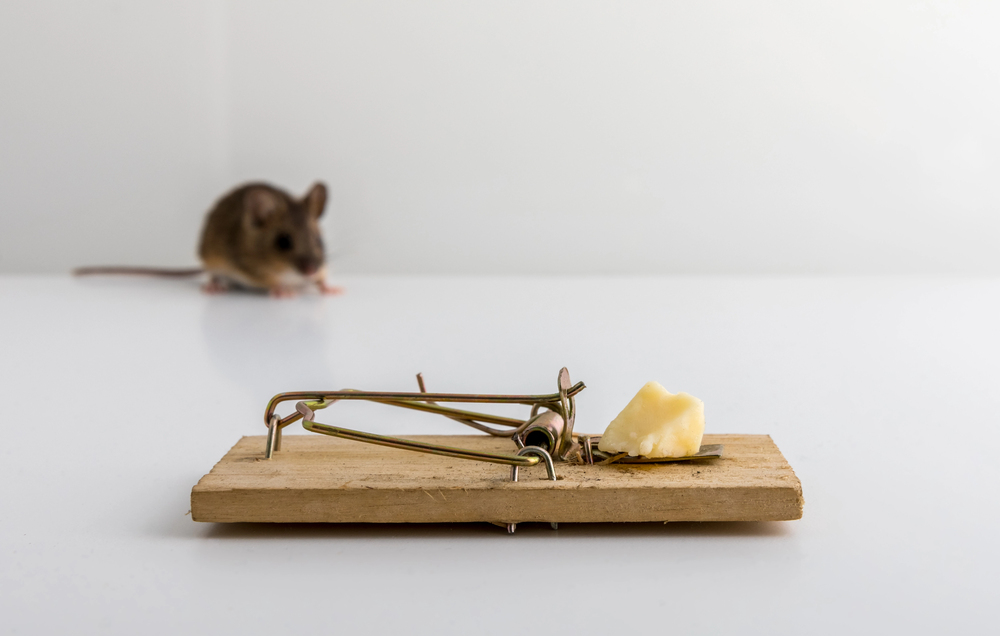
Common indicators include small droppings along walls, new gnaw marks on packaging, scratching sounds in ceilings, a musty smell in cupboards, and grease marks on skirting boards where mice travel. They may also notice pets focusing on a particular corner or appliance. Tracking dust or non-toxic monitoring blocks in key areas can help confirm activity quickly. Learn more about rodent treatment Sydney: 5 methods that actually work.
What ongoing prevention routine keeps a property mouse-free?
They should treat prevention as a simple monthly checklist. Consistency matters more than big clean-ups once a year.
A practical routine includes checking door seals, scanning for new cracks, clearing food scraps, cleaning under appliances, and inspecting storage areas. Outdoors, they should keep vegetation trimmed and bins secured. In higher-risk properties like cafés, warehouses, and strata buildings, scheduled pest inspections and monitoring are often the most reliable way to prevent repeat issues.
When should they call for mouse removal in Sydney again?
They should call as soon as activity is suspected, not once it becomes obvious. Mice breed quickly, and delays usually increase contamination and repair costs.
If they see droppings, hear ceiling activity, or find gnawed items, professional help is typically faster and safer than DIY escalation. The best providers will focus on both removal and prevention, so the same problem does not return a few weeks later.
FAQs (Frequently Asked Questions)
Why do mice keep coming back after removal in Sydney?
Mice return when the original conditions that attracted them remain, such as small gaps, clutter, or accessible food sources. Incomplete proofing also allows them to re-enter through tiny holes around pipes, doors, and roof spaces.
Which entry points should be sealed first to prevent mouse reinfestation?
Priority should be given to sealing access points connecting outdoors to kitchens, pantries, roof voids, subfloors, garages, and storerooms. Common areas include gaps under external doors, damaged weather seals, unmeshed vents and weep holes, pipe penetrations under sinks, gaps around air-conditioning lines, cracks where walls meet slabs, roof gaps, broken tiles, and open eaves especially near trees.
How can a home be rodent-proofed without causing moisture issues or damage?
Using appropriate materials for each location is key. Small holes can be sealed with rodent-proof sealant combined with stainless steel or copper mesh. Larger gaps are best closed with builders’ flashing, metal plates, or cement rather than foam alone. Ventilation points should have corrosion-resistant mesh to maintain airflow while keeping mice out.
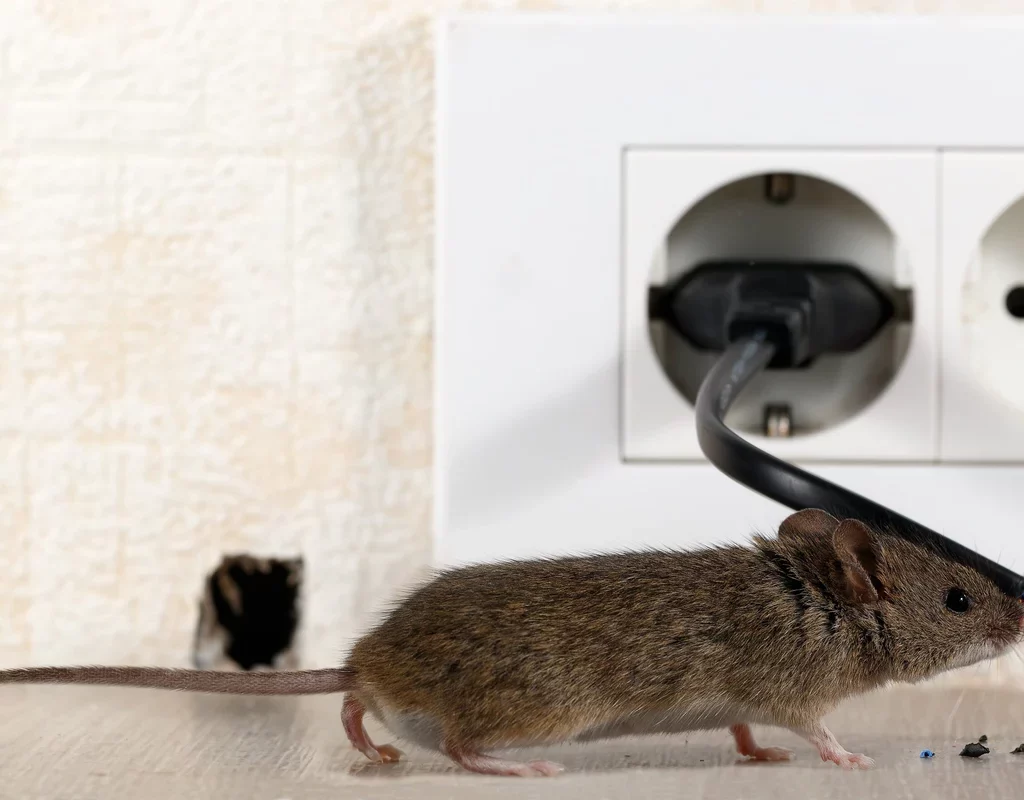
What food and water management practices help stop mice from settling again?
Remove easy food and water sources by storing food in sealed containers instead of thin plastic bags or cardboard. Pet food should be put away overnight; bird seed handled carefully to avoid spillage. Clean crumbs under ovens, fridges and toasters regularly. Fix leaks under sinks, dripping outdoor taps and condensation trays since water access supports nesting and breeding.
How should bins, gardens and outdoor areas be managed in Sydney to prevent mouse infestations?
Treat outdoor spaces as the first line of defence by ensuring bins have tight lids and are kept clean with waste properly bagged. Compost should be enclosed and maintained correctly. Gardens need to be tidy with reduced ground clutter; firewood stored off the ground away from walls. Trim branches touching roofs and reduce dense vegetation near entry points that provide safe travel routes for mice.
What ongoing prevention routine keeps a property mouse-free in Sydney?
A consistent monthly checklist is vital including checking door seals for gaps, scanning for new cracks or holes, clearing food scraps promptly, cleaning under appliances regularly and inspecting storage areas. Outdoors maintain trimmed vegetation and secured bins. For higher-risk properties like cafés or warehouses scheduled pest inspections and monitoring offer the most reliable prevention against repeat infestations.