
The cost to trim a tree can seem unpredictable at first glance. Homeowners in Australia and beyond often ask, “Why does one tree cost so much while another is a bargain?” There’s no one-size-fits-all answer. Instead, several factors, ranging from tree size and accessibility to safety concerns and local demand, all play a part.
Understanding these elements can demystify the pricing process. Whether you’re budgeting for routine maintenance or a special trimming job, taking a closer look at these factors helps you appreciate the work behind the price tag and secure a fair deal.
Tree Size: The Big Factor
One of the most significant factors influencing tree trimming cost is the size of the tree. Larger trees generally require more labour, specialised equipment, and enhanced safety precautions. As a result, tree size directly affects both the time involved and the resources needed to complete the job safely.
Industry experts explain that higher tree trimming cost for large trees isn’t solely due to height, but also the spread and complexity of the branches. Managing wide canopies and dense growth demands greater precision and effort, which naturally increases pricing. In many cases, trimming large trees can cost two to four times more than trimming smaller ones.
Research from the U.S. Forest Service further supports this, showing that the ongoing maintenance of large trees incurs higher annual expenses compared to smaller trees. The specialised work involved in pruning, shaping, and safely removing dead or hazardous branches is why tree size plays such a critical role in determining overall tree trimming cost.
Accessibility: Reaching the Work Area
Accessibility is another critical factor. The easier it is for technicians to set up their equipment near your tree, the lower the cost can be. If power lines, buildings, or other obstacles block easy access, trimming becomes a challenge.
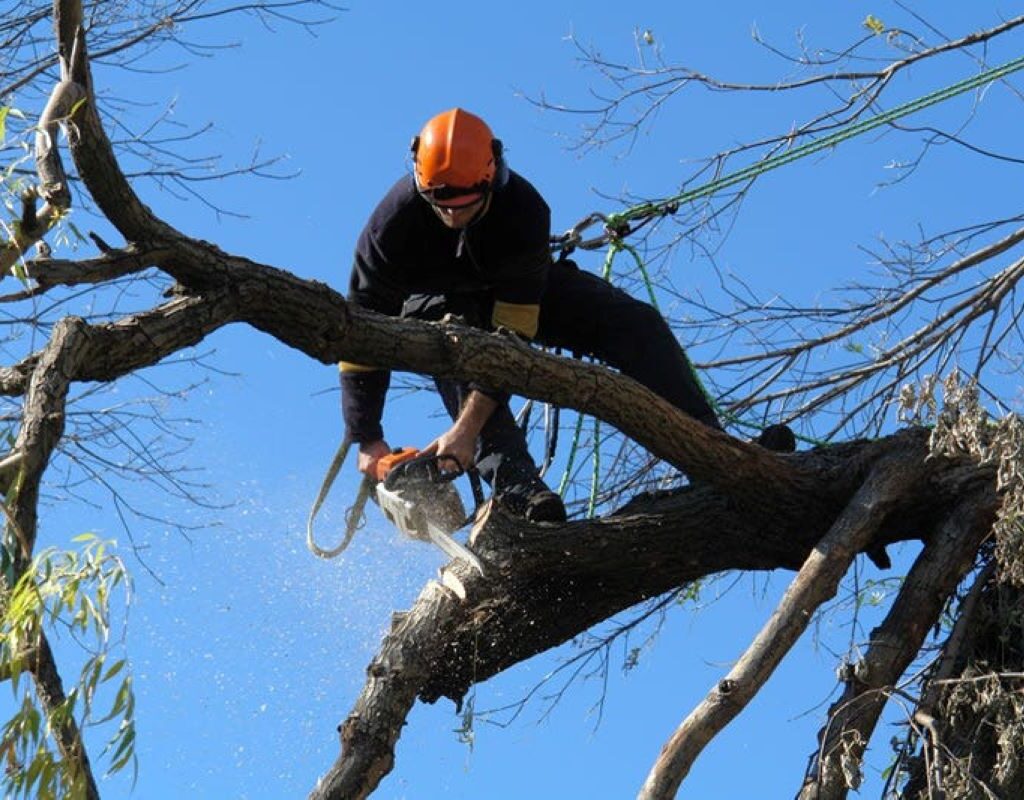
When a crew cannot easily manoeuvre their bucket truck or lift platform close enough, they might be forced to climb the tree manually-drastically increasing the labour intensity. This manual approach can boost costs by 25 to 50 per cent, causing homeowners to see a significant jump in their quote.
Accessibility issues aren’t only about physical obstacles; sometimes, it’s the terrain. Trees on steep slopes or in confined urban spaces may require additional safety precautions and specialised techniques, all of which ramp up the cost.
Safety Considerations and Compliance
Safety is at the forefront of every tree trimming operation. Recent developments from organisations like OSHA highlight that tree care is among the most hazardous occupations. Additional safety measures to protect workers can be reflected in the overall cost. The industry’s focus on safety drives the need for proper gear, updated technique protocols, and sometimes extra crew members.
The potential for significant risk means that companies invest heavily in training and safety equipment. When safety enhancements are implemented, pricing can reflect these added precautions. Higher quality work often includes insurance for accidents and a commitment to maintaining high standards in a perilous field.
Implementing enhanced safety standards isn’t just about compliance; it’s about ensuring that tree care professionals remain secure and efficient in their work. This investment in workforce safety ultimately contributes to a higher price tag for the service.
Equipment and Technology
Modern tree trimming services rely on specialised equipment and technology. From bucket trucks to elaborate lift platforms, having the right tools in the right place is paramount. Equipment quality substantially influences pricing since state-of-the-art apparatus can be expensive to purchase and maintain.
Innovative equipment often leverages the latest tech to enhance precision, reduce risks and ensure that large and complex trees are trimmed safely. The use of specialised machinery means companies can complete jobs that would otherwise be too dangerous or time-consuming using traditional methods.
This technological investment is noticeable in your invoice. When tree trimming involves advanced equipment, especially in hard-to-reach spots, operators need to cover not just labour and time, but also factor in the capital costs of technology.
Labour Intensity and Time Required
Labour is arguably one of the biggest contributors to the overall cost. The time required to trim a tree may vary dramatically based on the complexity of the job, especially if the tree is large, has a dense canopy or a challenging structure.
Expert insights emphasise that manual work, such as climbing when mechanical equipment can’t be used effectively, takes considerably longer and is correspondingly more expensive. This extra time is a direct driver of increased labour costs.
In practice, tree trimming jobs that require intricate pruning or delicate shaping to maintain the tree’s integrity tend to demand more skilled labour, often resulting in higher hourly rates. Ensuring both quality and safety means that a well-trimmed tree is a priority over merely quick service.
Environmental Factors and Tree Health
Another aspect influencing trimming cost relates to the tree’s health and environmental conditions. Trees that are unhealthy or planted in harsh conditions may require extra attention, including specialised pruning to remove hazardous branches or infested parts.
When a tree shows signs of disease or pest infestation, trimming might be executed as part of a broader treatment plan. This dual-purpose approach is not only about aesthetics but also about the long-term health of the tree, ensuring it can thrive safely with minimal risk of falling or causing damage.
In some cases, professional arborists may recommend additional treatments such as fertilisation or pest control after trimming. This comprehensive care is factored into overall service costs, reflecting a balanced combination of health requirements and safety measures. Visit https://training.gov.au/training/details/AHCPCM307 to get a report on health and condition of trees.
Local Demand and Market Conditions
Local market conditions, including seasonal demand and regional cost differences, play a significant role in tree trimming prices. In areas with high demand for trimming services, especially during peak seasons, pricing can see an upward trend.
Homeowner’s location also influences the cost due to variations in operating costs, such as wage rates and equipment availability. Rural areas might see different pricing compared to urban locations where access and related complications add layers to the job.
Local economic factors and competition levels in the tree trimming sector also determine the pricing schemes. In highly competitive markets, customers might enjoy more competitive offers, while scarcity in available skilled professionals could drive prices up markedly.
Additional Services and Cleanup
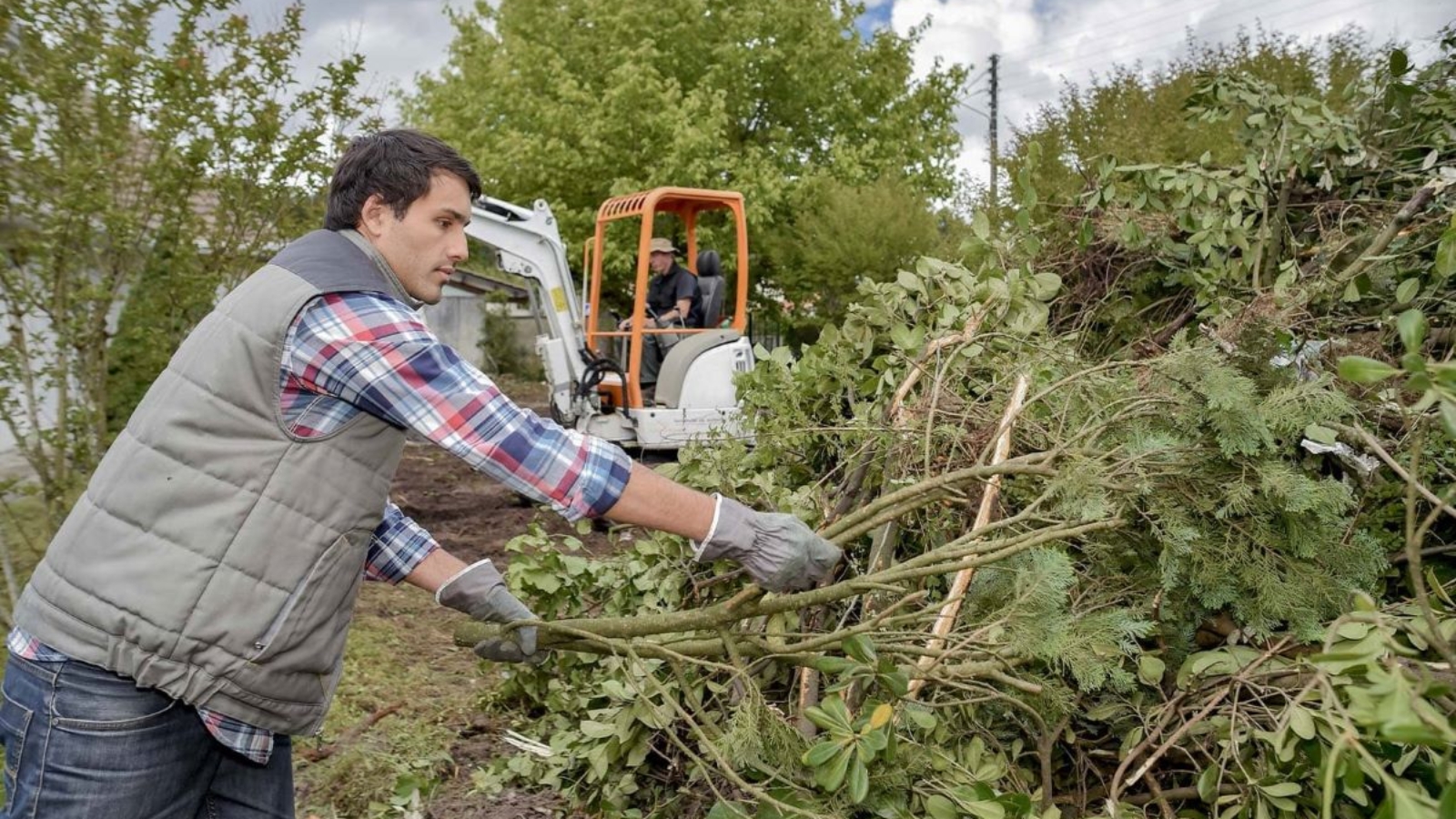
When you factor in additional services such as debris removal, cleanup, and maintenance of surrounding areas, costs can rise further. Some companies integrate these extra tasks into their standard fee, while others add them on as separate charges.
Cleaning up a large project or managing fallen branches after trimming is labour-intensive. Homeowners should be prepared for the possibility of paying extra for debris removal or specialised cleanup to leave their garden pristine.
Investing in a thorough service package that includes cleanup ensures not only the safety of the property but also enhances the visual appeal of your outdoor space. The convenience of a complete package might come at a premium but saves additional hassle for the homeowner.

Regulatory Requirements and Insurance
Regulations and insurance coverage further contribute to the overall cost breakdown of tree trimming services. Companies that strictly adhere to health and safety standards may pass some of those administration and compliance costs onto their customers.
Tree trimming work carries inherent risks. As remediated by recent OSHA considerations, the industry is continuously working to mitigate hazardous working conditions. As such, a company that maintains full insurance coverage and follows rigorous safety standards represents a higher cost due to the security it offers.
Insurance costs, permits and compliance with local regulations are necessary investments that protect both the service provider and the homeowner. While these measures might seem like an added expense initially, they provide reassurance that professional standards are being maintained to the highest level possible.
Expert Insights and Their Impact
Expert sources frequently point out that one of the most significant factors is tree size, coupled with the work involved. This insight is echoed by most tree trimming specialists who prioritise a careful assessment of the situation. A keen understanding of the tree’s structure, combined with the location and environmental factors, is essential.
In addition, expert insights explain that manual interventions versus mechanised approaches have a clear impact on cost differences. When accessibility becomes an issue, the financial implications quickly become apparent and are directly proportional to the extra man-hours needed.
Experts also emphasise that while tree trimming is the single greatest maintenance cost in many instances, the underlying reasons are complex and deeply interwoven with both natural and human factors. Putting together a comprehensive service means that each detail is carefully weighed against the potential risks and benefits involved.
Comprehensive Cost Comparison
To better understand pricing, it might help to compare the costs across various scenarios. For an average tree trimming job in 2025, estimates range from as low as $150 to upwards of $2,000. Context is key: the difference often lies in the specific characteristics of the tree and the conditions surrounding the trimming process.
On average, most homeowners can expect to pay between $300 and $900 per tree, according to recent industry reports. However, these numbers vary depending on several factors like tree accessibility, health, and the geographic area in which you reside.
When it comes to maintaining trees on a yearly basis, the U.S. Forest Service notes an average annual cost between $7 and $10 per tree. While trimming is an occasional expense, consistent maintenance, especially for larger trees, often demands a more significant long-term investment.
Breaking Down the Costs: A Detailed Look
Initial Assessment and Planning
Before any work begins, a professional tree trimming service will assess the tree’s condition, size, and surrounding area. This evaluation is pivotal to developing a plan that maximises safety and efficiency.
The initial inspection may involve climbing the tree, inspecting equipment, and planning the positioning of machinery. If the crew encounters accessibility challenges, additional time is allocated to ensure that every potential hazard is identified and mitigated.
For many companies, this phase is where the groundwork for the final cost is set. The complexity of the assessment process can lead to variations in service charges as detailed examinations incur more detailed estimates and planning sessions.
Labour Costs and Technical Expertise
Skilled labour is a fundamental aspect of the tree trimming job. Services are typically priced by the hour and are influenced by the skill level required to handle challenging trees.
Highly trained professionals who understand both the art and science of tree care command higher wages, reflective of their expertise and experience. This premium translates into the overall cost, especially at jobs where precision and adherence to safety regulations are a must.
In addition to individual wages, the overall cost reflects the collective expertise of the teams involved. A collective understanding of the tree’s structure, combined with coordinated teamwork, results in safer and more efficient operations-again, a factor that sees its way into your final bill.
Equipment and Maintenance Expenses
Companies incur substantial costs in acquiring and maintaining specialised equipment needed for a safe and efficient tree trimming process. Servicing bucket trucks, lift platforms, and cutting tools all contribute markedly to the operating expenses.
Advanced technology in tree trimming may include high-reach tools and vehicles that help in reaching difficult spots. As noted by experts, such equipment is instrumental in maintaining a high level of safety and efficiency, even though it adds to the expense.
By ensuring equipment is regularly maintained, operators safeguard against unexpected breakdowns that could lead to schedule delays and increased risk during operations. This preventative aspect is integral to creating a cost that covers both immediate work and future reliability.
Preventative Maintenance and Long-Term Cost Savings
Investing in quality tree trimming services and regular maintenance can lead to long-term savings. Overgrown or unhealthy trees are more likely to incur damage or require emergency interventions, which typically result in higher costs than planned maintenance.
Regular trimming not only preserves the beauty and health of your trees but also helps in minimising risks such as falling branches or even complete tree failure. Preventative care ensures that your trees continue to add value rather than become a liability.
With a consistent maintenance routine, the cumulative expense per tree may appear smaller over time. This strategy alleviates the need for expensive interventions and reduces risks associated with ageing trees or environmental stressors prevalent in regions throughout Australia.
Seasonal Influences on Tree Trimming Costs
The season in which tree trimming is carried out can also impact the pricing significantly. Peak seasons, such as before and after heavy storm periods, often see a surge in demand which can nudge prices upwards due to scarcity of available professionals.
In contrast, slower periods in the year might offer more competitive pricing. Service providers may offer discounts or package deals during off-peak times, helping homeowners manage their trees without straining their budgets.
The fluctuations in seasonal demand underscore the importance of planning ahead whenever possible. Securing services outside of busy periods can be a strategic move, particularly for those who have a cluster of trees that require attention.
Comparing Tree Trimming Services: What to Look For
When looking for a tree trimming service, it is worthwhile to compare not only the quoted price but the level of service included. Price disparity often stems from differences in how thoroughly the job is executed, the safety measures in place, and the quality of equipment used.
Local providers who adhere to high safety standards usually invest more in their training, insurance, and equipment, ensuring a safer and more reliable service, even if the price is slightly higher. The extra cost is often a worthwhile investment in the longevity of your trees and the safety of your property.
It is important to ask detailed questions during the assessment phase. Clarify what the charge covers-does it include debris removal, detailed trimming processes, and follow-up maintenance, or are these charged separately? Comparing comprehensive service packages helps in choosing the best option for your needs. Click here to get how long a typical tree trimming service near me takes.
Practical Tips for Homeowners
Homeowners can take proactive steps to ensure they receive both quality and value from their tree trimming service. Firstly, request a detailed quote that itemises costs. This transparency provides a clearer understanding of why costs vary.
Engaging with service providers in a dialogue about the specific challenges of your trees can yield tailored recommendations. Experienced operators can assess aspects like accessibility hurdles, tree health, and safety needs to offer a customised approach, ensuring you only pay for what you really need.
Finally, scheduling regular maintenance rather than waiting for noticeable issues can help spread out the expense. A strategic maintenance schedule not only protects your investment but also keeps your property looking pristine throughout the year.
Weighing the Investment: Quality Over Cost
While it might be tempting to pick the cheapest quote, it is worth considering that quality workmanship in tree trimming can prevent hazards and save money in the long term. Cutting corners can lead to incomplete maintenance, leaving your trees vulnerable to decay or potential safety hazards.
Investing in premium quality services means that comprehensive care is provided-from the initial consultation to the thorough cleanup afterwards. Trees that receive the proper level of care are less likely to develop serious issues requiring costly emergency interventions.
This approach nearly guarantees that your trees remain healthy and robust over time. With regular maintenance and expert care, you invest not only in the visual appeal of your property but also in its long-term safety and property value.
Conclusion: Knowing What You’re Paying For
Understanding the many factors that affect tree trimming costs provides valuable insight into what you’re paying for. Tree size, accessibility, safety standards, equipment use, labour, and local market influences all contribute to the final price.
These factors interplay to set the cost, and recognising this helps homeowners appreciate the professional efforts involved in maintaining the integrity and beauty of their trees. A well-informed approach means you are empowered to secure not the cheapest, but the right service that positively impacts both the tree’s health and your safety.
As tree care continues to evolve with advances in technology and safety, staying informed and maintaining regular preventative care can lead to long-term cost savings while ensuring your trees thrive safely. This balanced investment guarantees that your outdoor spaces remain both attractive and secure for years to come.