

This guide breaks down new homeowners’ wants in plain English, based on what licensed buyers’ agents and property consultants see across the Australian residential market. It’s designed to help buyers and investors spot what matters, avoid costly compromises, and make confident decisions.
What do new homeowners actually want most?
They want a home that feels safe, easy to live in, and financially sustainable from day one. In practice, new homeowners’ wants usually cluster around three things: location convenience, functional layouts, and predictable ongoing costs.
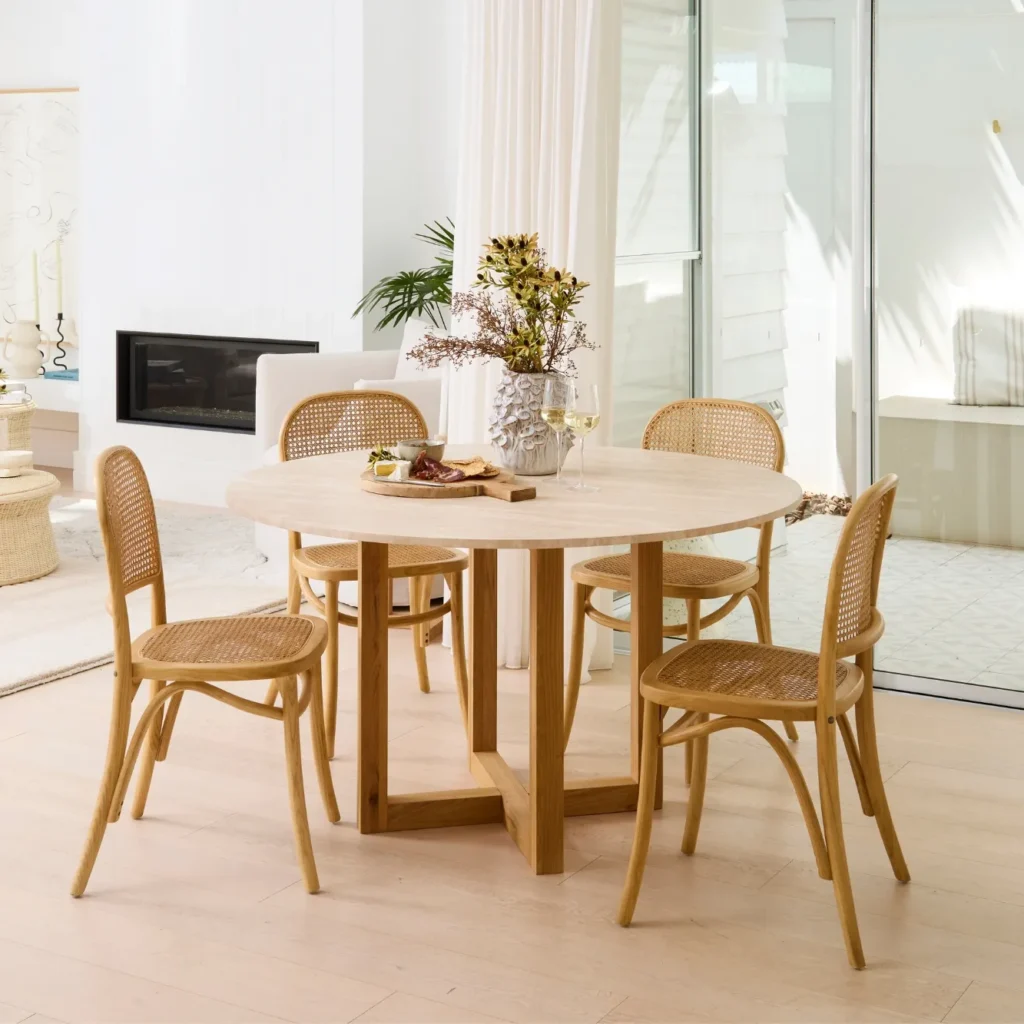
While aesthetics matter, most buyers quickly shift focus to “Can they live here comfortably?” and “Will this choice hurt them later?” Choosing practical furnishings, such as a cheap table, can help create a functional living space without unnecessary spending. That mindset is what separates a smart purchase from an expensive lesson.
How do new homeowners’ wants differ from investors’ priorities?
They tend to prioritise daily liveability over pure yield or growth metrics. New homeowners’ wants often include things investors may tolerate skipping, like a practical kitchen, storage, a quiet street, and a home that does not need immediate work.
Investors may accept a compromised floor plan if the numbers stack up. Owner occupiers usually pay for comfort and certainty, especially if they plan to stay five years or longer.
What matters more: location, layout, or price?
Location usually wins, then layout, then price once buyers understand the trade-offs. New homeowners’ wants often start with a price ceiling, but as they inspect more properties, they realise the wrong location costs them in time, stress, and resale flexibility.
A common pattern is that buyers stretch for a better suburb or school zone, then choose a simpler dwelling. That tends to age better than buying the biggest home in a less desirable pocket.
Which features do new homeowners want, and how should they rank them?
They want features that reduce friction in everyday life, not just ones that look good on listing photos. The table below summarises common new homeowners’ wants, why they matter, and what to watch for during inspections.
| What they want | Why it matters day-to-day | What to check before buying (UK) |
| Safe, quiet street | Better sleep, less stress, stronger resale | Visit at night, check traffic, talk to neighbours |
| Practical layout | Less wasted space, easier furniture placement | Measure key rooms, check flow from living to kitchen |
| Natural light and ventilation | Comfort, lower energy use | Orientation, window size, cross-breeze, damp smells |
| Storage | Less clutter, better resale appeal | Linen cupboards, pantry depth, garage storage |
| Modern, functional kitchen | Daily use, fewer upgrades | Appliance age, worktop space, power points |
| Low-maintenance outdoors | Lifestyle without weekend labour | Drainage, fencing condition, mowing requirements |
| Good internet and mobile reception | Work, study, streaming reliability | Broadband address check, test phone reception on site |
| Parking | Convenience and insurance peace of mind | Garage size, street parking rules, driveway access |
| Condition and “hidden costs” | Protects the budget | Roof, plumbing, wiring, drainage, pest activity |
| Future flexibility | Family changes, home working, resale | Extra room, zoning, nearby development plans |
This is the point where buyers should separate “must-haves” from “nice-to-haves”. A clear shortlist helps keep negotiations calm when competition heats up.
Do new homeowners want renovated homes or value-add opportunities?
Most want a home that is immediately livable, even if it is not perfect. New homeowners’ wants often include fresh paint, clean floors, working appliances, and bathrooms that do not require urgent spending.
Value-add properties can suit buyers with time, cash buffers, and realistic expectations about trades and council processes. For many first-time buyers, renovation stress plus mortgage stress is a risky pairing, especially if the building report reveals surprises.
How important is energy efficiency for new homeowners?
It is increasingly important because energy bills hit fast after settlement. New homeowners’ wants now often include insulation, efficient heating and cooling, good window coverings, and solar potential.
In Australian conditions, comfort is not just about luxury. It is about whether the home stays livable through heatwaves and cold snaps without constant running costs. Buyers should treat orientation, shading, and airflow as core fundamentals, not optional extras. Understanding energy efficient home design principles can help homeowners choose properties that offer better comfort, sustainability, and long-term savings.
What role does security and neighbourhood feel play?
It plays a major role because buyers want to feel at ease, not on edge. New homeowners’ wants often include good street lighting, solid fencing, secure doors and windows, and a neighbourhood where they feel comfortable arriving home after dark.
They should also consider practical cues: are homes well-kept, are there barking dogs all day, does the street attract through-traffic, and what is the noise like on weekdays versus weekends?
Do new homeowners want walkability and public transport, or bigger land?
They want whichever reduces friction for their lifestyle, and that differs by city and household type. In many Australian suburbs, new homeowners want lean towards walkability: cafes, parks, schools, and a reliable train line or bus corridor.
Others will trade convenience for land if they value privacy, gardening, or future extensions. The key is recognising that land is only “usable value” if the shape, slope, drainage, and zoning support their plans. Evaluating property land value factors helps buyers understand whether a larger block truly provides practical benefits or creates future challenges.
How do new homeowners balance lifestyle wants with resale value?
They balance it best by choosing features that future buyers also want. New homeowners’ wants should not be so niche that resale becomes difficult, especially if they may move due to work, family, or interest rates.
A safer approach is to buy a fundamentally appealing property and add personal touches later. Strong fundamentals usually include a desirable area, a functional floor plan, good natural light, and manageable upkeep.
What are the most common mistakes when chasing new homeowners’ wants?
They often overpay for cosmetic finishes, underestimate running costs, or ignore strata and building realities. New homeowners’ wants can become expensive when buyers fall in love with styling and forget to verify key details.
Common costly errors include skipping thorough due diligence, assuming renovations are “easy”, ignoring flood or bushfire overlays, and not budgeting for immediate essentials like blinds, fencing repairs, or hot water replacement. The best purchases are typically the least dramatic ones.
How can buyers turn new homeowners’ wants into a smarter buying checklist?
They should convert preferences into non-negotiables, then test each property against those points before making an offer. New homeowners’ wants become useful only when they are measurable, not vague.
A practical checklist includes maximum commute time, minimum bedroom and bathroom count, parking requirements, acceptable service charges, comfort needs such as light and airflow, condition limits, and a clear buffer for post-settlement costs. When preparing a new home, choosing suitable furniture like a Queen Bed Frame can also support comfort and functionality while matching the property’s needs. If a property fails two non-negotiables, it is usually a “no”, even if it photographs well.
What’s the simplest way to use this information before making an offer?
They should shortlist the top five new homeowners’ wants, rank them, and take that list to every inspection. Then they should verify the big risks early: finance, building and pest, strata records where relevant, and any council or planning constraints.
When buyers stay anchored to fundamentals, they negotiate better and regret less. That is the real goal: not the perfect home, but the right decision for their budget and future.