
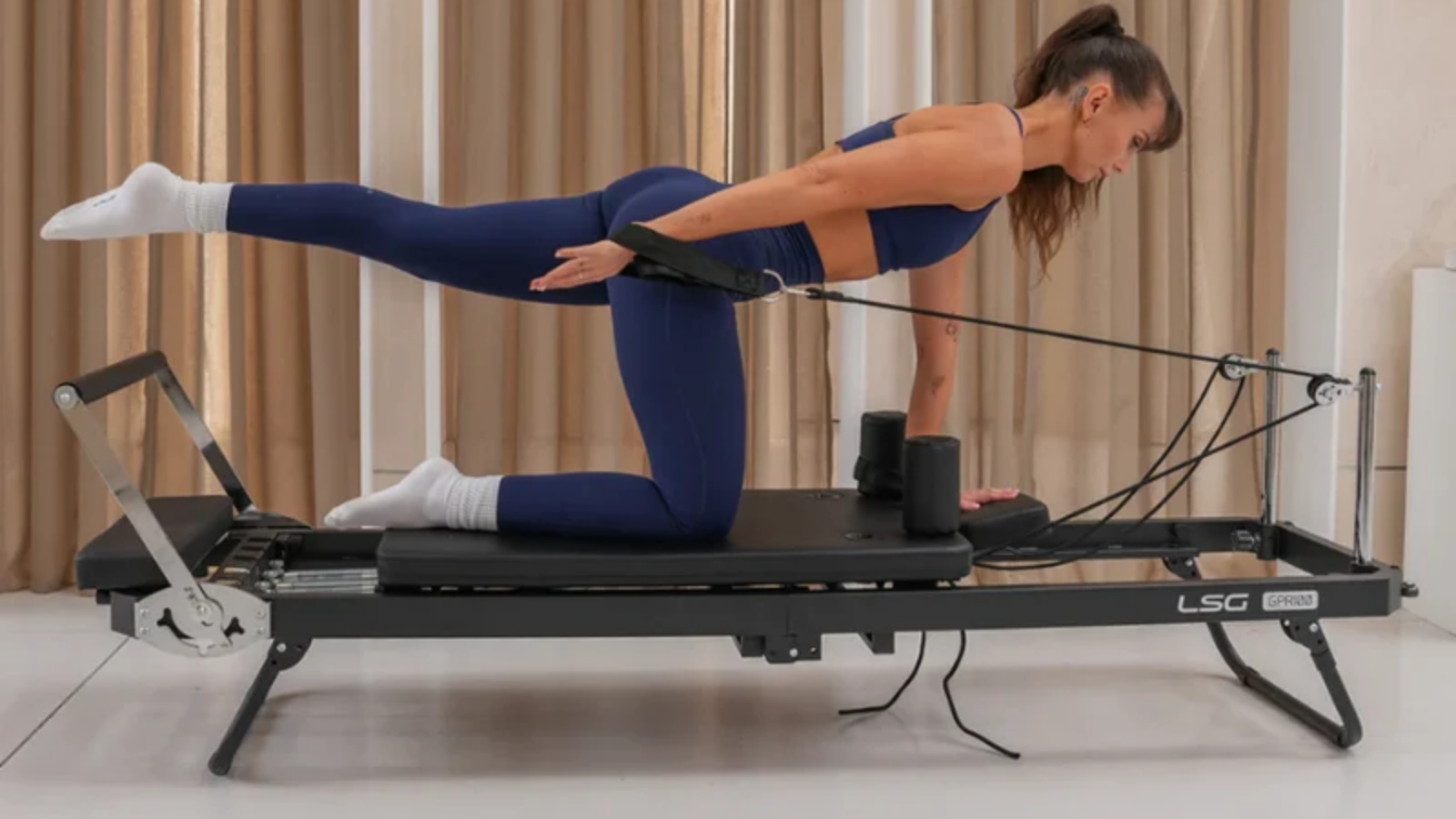
What makes humid Australian climates tough on Pilates machines?
Humidity pushes materials to absorb moisture, expand, and corrode if finishes fail. In Australia, salt air in beach suburbs around Sydney, the Gold Coast, or Perth can also speed up wear on exposed parts.
For buyers weighing aluminium versus timber Pilates machines, the main issues are swelling, squeaks, rust on hardware, mould risk, and how often surfaces need sealing or cleaning.
How does aluminium handle humidity and salt air?
Aluminium generally handles humidity well because it does not swell like wood. In coastal areas, it can still oxidise, but quality powder coating or anodising slows that down.
In the aluminium versus timber Pilates machines debate, aluminium often suits studios near the ocean because frames stay dimensionally stable. They can keep carriage glide consistent even when the studio air feels heavy for weeks.
How does timber cope with humidity over time?
Timber can perform beautifully in humid climates, but it depends on species, construction, and sealing. Moisture can cause minor expansion and contraction, which may lead to small alignment changes, squeaks, or finish wear.
For aluminium versus timber Pilates machines, timber is the choice that rewards good care. If they keep sealing intact and manage airflow, timber reformers can last for years, even in humid Australian homes and studios.
Which material is less likely to warp or go out of square?
Aluminium is less likely to warp because it is not hygroscopic. Timber can move with seasonal moisture swings, especially if the room stays closed up or the machine sits near a damp external wall.
When comparing aluminium versus timber Pilates machines, those prioritising consistent geometry often prefer aluminium. This is especially relevant where air conditioning cycles on and off, creating rapid changes in temperature and moisture.
Which option is easier to maintain in a humid studio?
Aluminium tends to be lower maintenance because they can wipe it down without worrying about re-oiling or re-sealing the frame. Timber needs a bit more attention to keep the finish protective and to prevent moisture ingress at edges.
In the aluminium versus timber Pilates machines comparison, maintenance time matters for busy Australian studios running back-to-back classes. A simple wipe-down routine can be the difference between “set and forget” and ongoing upkeep.
How do cleaning products affect aluminium and timber finishes?
Aluminium frames with powder coating usually tolerate gentle, non-abrasive cleaners. Timber finishes can dull or lift if harsh disinfectants are used too often, particularly alcohol-heavy sprays left to sit.
For aluminium versus timber Pilates machines, cleaning compatibility is a practical issue in Australian studios that sanitise frequently. They should always follow the manufacturer’s guidance, but timber generally benefits from pH-neutral products and a quick dry wipe.
Which material is quieter and better for a calm session?
Timber frames can feel quieter and warmer, and they often dampen vibration well. Aluminium can also be quiet when engineered properly, but the overall sound depends on wheels, rails, bearings, and maintenance.
In the aluminium versus timber Pilates machines decision, sound should be judged by the full build, not just the frame. They can reduce noise either way with regular wheel cleaning, rail checks, and correct tensioning.
What about rust and corrosion on springs and hardware?
Most reformers, regardless of frame, rely on steel springs, bolts, and fittings. In humid Australian climates, corrosion risk is more about the quality of stainless steel, plating, and how often they wipe sweat and salt residue off hardware.
For people comparing aluminium versus timber Pilates machines, they should look closely at spring quality, fastener grade, and whether replacement parts are easy to source in Australia. A premium frame still suffers if hardware is budget-grade.
Which is better for mould and odour control?
Aluminium itself does not harbour mould, but upholstery, straps, and padding can. Timber can be more vulnerable if moisture gets into joins or if the finish breaks down, creating places where damp lingers.
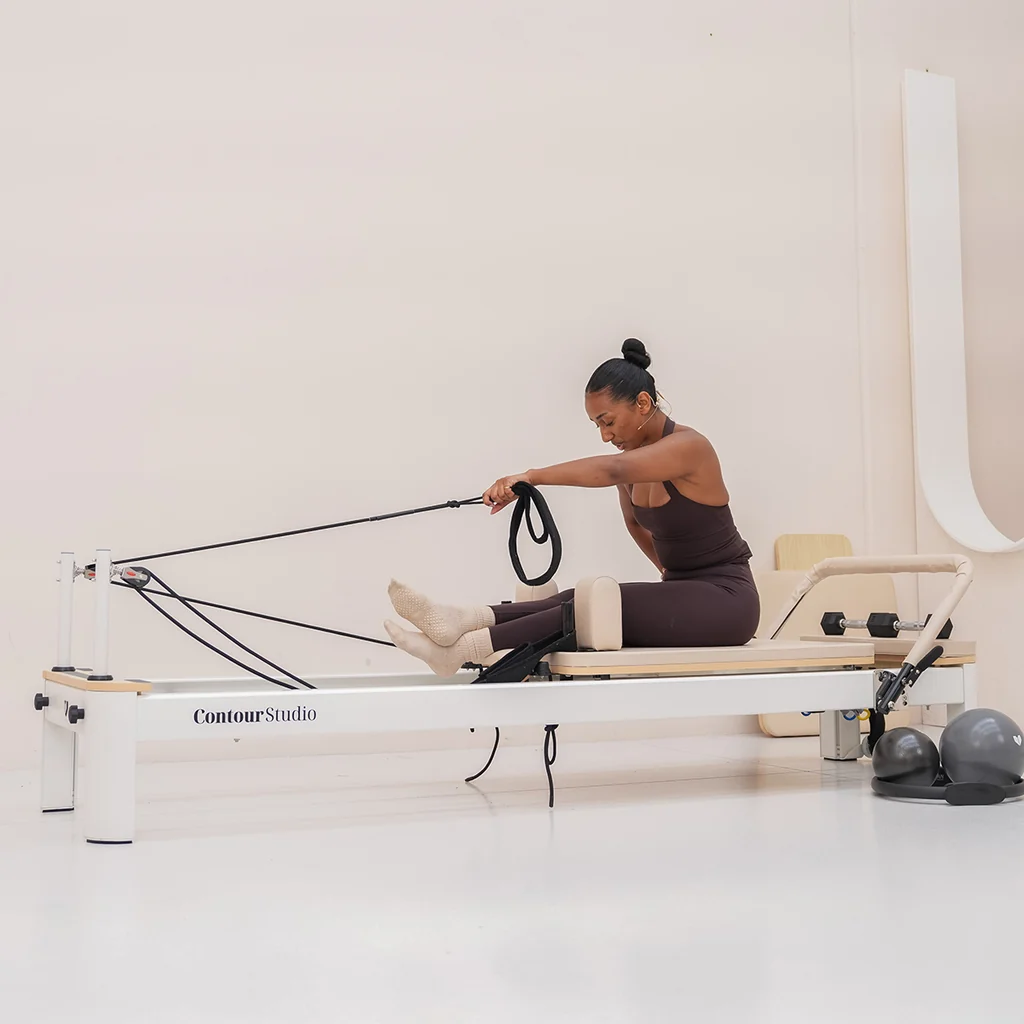
In the aluminium versus timber Pilates machines matchup, pilates reformer maintenance for mould prevention comes down to ventilation and cleaning habits. They should keep the room aired, use a dehumidifier if needed, and avoid leaving damp towels on the carriage.
How does humidity affect grip, upholstery, and comfort?
Humidity makes surfaces feel tacky and can increase sweat, which affects footbars, handles, and upholstery. This is not strictly a frame issue, but timber and aluminium frames can pair with different upholstery grades and textures.
For aluminium versus timber Pilates machines, they should prioritise commercial-grade upholstery, closed-cell padding, and washable straps. In humid Australian summers, those details often matter more than frame material for comfort.
Which material suits coastal Australian aesthetics and studio branding?
Timber often delivers a premium, furniture-like look that suits boutique studios in places like Byron Bay, Noosa, or Melbourne’s bayside suburbs. Aluminium can look sleek and modern, aligning with minimalist studios and clinical rehab spaces.
In choosing between aluminium and timber, branding matters because a reformer is visually dominant. For aluminium versus timber Pilates machines, they should pick the style that matches their studio’s identity and the client experience they want.
How do costs compare for Australian buyers?
Aluminium reformers can be competitively priced, especially for commercial fleets, because manufacturing is consistent and scalable. Timber often costs more when high-quality hardwoods, joinery, and finishing are involved.
In the aluminium versus timber Pilates machines comparison, buyers should budget beyond the sticker price. Freight within Australia, warranty coverage, and the cost of replacement springs, wheels, and upholstery can shift value over time.
Which lasts longer in humid climates if they want decades of use?
Aluminium frames can last a long time with minimal change in shape, but coatings can chip and need attention. Timber frames can also last decades, yet they rely more on the integrity of sealants and care routines.
For aluminium versus timber Pilates machines, longevity is best predicted by build quality and aftercare. If they buy from a reputable supplier with local parts support and clear maintenance instructions, either material can be a long-term option.
What should they look for when inspecting build quality?
They should inspect rail alignment, carriage smoothness, and how solid the frame feels under load. On timber models, they should check finish consistency, joint quality, and whether edges are well sealed. On aluminium models, they should check coating uniformity and weld quality.
In the aluminium versus timber Pilates machines choice, the best test is hands-on. They should try a few movements, listen for squeaks, and look for any flex around the footbar and shoulder rests.
How can they reduce humidity damage no matter which frame they choose?
They can control the room environment and adopt a simple routine. Wiping down after sessions, keeping airflow moving, and avoiding storage in enclosed damp rooms helps both materials.
For humid Australian conditions, they should consider:
- A dehumidifier in the wet season or during long rain periods
- Keeping machines away from open windows facing salt air
- Using fans or air conditioning to reduce lingering moisture
- Scheduling periodic checks of springs, bolts, and wheels
These steps narrow the gap in the aluminium versus timber Pilates machines decision by reducing the stress humidity places on every component.
Which should they choose for a humid Australian climate?
If they want stability, easy cleaning, and minimal fuss, aluminium often suits humid coastal living and busy studios. If they want warmth, premium aesthetics, and do not mind occasional finish care, timber can still be an excellent fit.
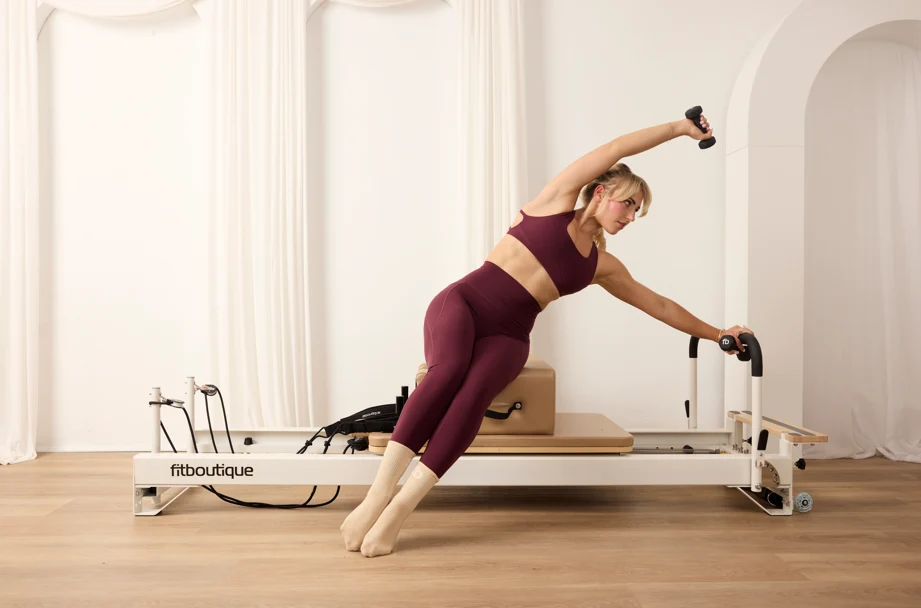
In the end, aluminium versus timber Pilates machines is less about a universal winner and more about matching the environment and habits. They should pick the frame that aligns with their climate, cleaning routine, and the look and feel they want clients to remember.
FAQs (Frequently Asked Questions)
What challenges do humid Australian climates pose for Pilates machines?
Humid Australian climates cause materials in Pilates machines to absorb moisture, leading to expansion, corrosion if finishes fail, swelling, squeaks, rust on hardware, mould risk, and frequent sealing or cleaning requirements. Salt air in coastal areas like Sydney or the Gold Coast accelerates wear on exposed parts.
How does aluminium perform compared to timber in humid and salty coastal environments?
Aluminium handles humidity well as it doesn’t swell like wood and remains dimensionally stable, making it ideal for coastal studios. While aluminium can oxidise, quality powder coating or anodising slows this down. Aluminium frames maintain consistent carriage glide even during prolonged heavy humidity.
What maintenance differences exist between aluminium and timber Pilates machines in humid studios?
Aluminium reformers are lower maintenance since they can be easily wiped down without re-oiling or resealing. Timber reformers require more attention to keep finishes protective and prevent moisture ingress at edges, needing regular sealing and airflow management to last in humid environments.
Which material is less prone to warping or going out of square due to humidity?
Aluminium is less likely to warp because it is not hygroscopic and remains stable despite moisture changes. Timber can expand or contract with seasonal moisture swings, especially in closed rooms or near damp walls, potentially causing alignment issues.
How do cleaning products affect the finishes of aluminium versus timber Pilates machines?
Aluminium frames with powder coating tolerate gentle, non-abrasive cleaners well. Timber finishes can dull or lift if harsh disinfectants—especially alcohol-heavy sprays—are used frequently. Timber benefits from pH-neutral cleaning products and quick drying after cleaning to maintain finish integrity.
Which material offers better aesthetics for coastal Australian Pilates studios?
Timber provides a premium, furniture-like look favored by boutique studios in places like Byron Bay or Noosa, complementing warm coastal aesthetics. Aluminium offers a sleek, modern appearance suited for minimalist studios and clinical rehab spaces along Australia’s coast.
<script type="application/ld+json">
{
  "@context": "https://schema.org",
  "@type": "BlogPosting",
  "mainEntityOfPage": {
    "@type": "WebPage",
    "@id": "https://especiallyforyouhomedecor.com/aluminium-versus-timber-pilates-machines-which-suits-humid-climates/"
  },
  "headline": "Aluminium Versus Timber Pilates Machines: Which Suits Humid Climates",
  "image": [
    "https://especiallyforyouhomedecor.com/wp-content/uploads/2026/08/Screenshot_2025-08-19_164116.webp",
    "https://especiallyforyouhomedecor.com/wp-content/uploads/2026/08/lsg-gpr100-foldable-pilates-reformer-machine-woman-exercising.webp",
    "https://especiallyforyouhomedecor.com/wp-content/uploads/2026/08/LFRF-CONTSTUB_media-09_a5849479-ba2c-467f-9484-b16b6130b81c_1024x1024.webp"
  ],
  "author": {
    "@type": "",
    "name": "Christ Johnsen",
    "url": "https://especiallyforyouhomedecor.com/author/admin/"
  },
  "publisher": {
    "@type": "Organization",
    "name": "Especially for you Home Decor",
    "logo": {
      "@type": "ImageObject",
      "url": "https://especiallyforyouhomedecor.com/wp-content/uploads/2024/06/logo1.png"
    }
  },
  "datePublished": ""
}
</script>