
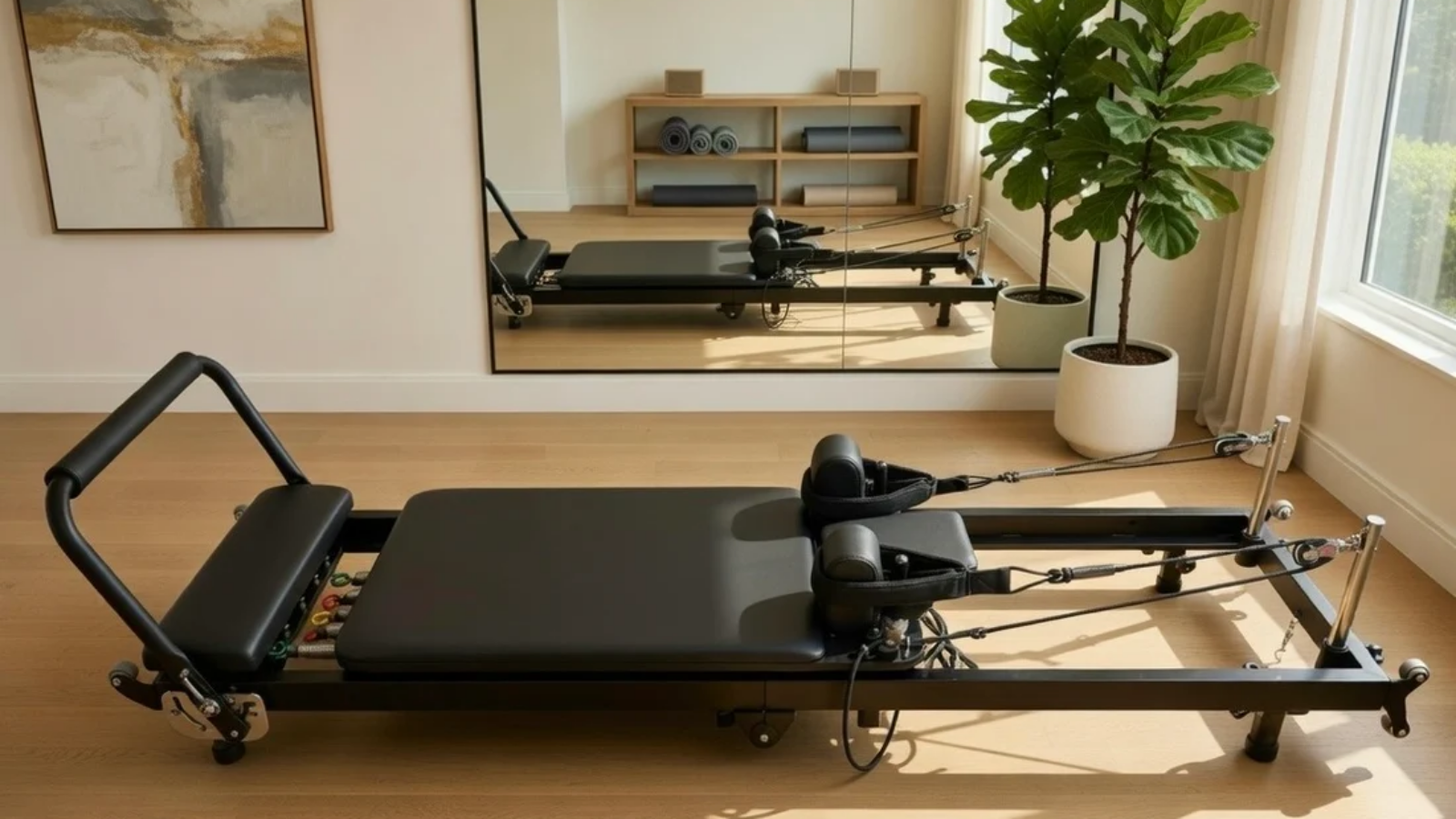
Most owners get the best results by following a simple routine: quick checks after use, light cleaning weekly, deeper inspections monthly, and parts replacements as they wear.
What counts as “lifetime maintenance” for a reformer bed?
Lifetime maintenance means the ongoing care that keeps the frame stable, the carriage gliding, and the resistance system working as intended. For a reformer bed, that usually includes cleaning, checking fasteners, looking after wheels and rails, and replacing consumable parts such as springs and ropes.
In Australian conditions, dust, coastal air, and heavy studio use can speed up wear, so consistency matters more than complexity.
How often should they clean a reformer bed?
They should wipe down contact surfaces after each session and do a fuller clean weekly. For a reformer bed, regular cleaning reduces grime that can affect rollers, rails, and moving joints.
A simple approach is best: a slightly damp microfibre cloth on the carriage, footbar, shoulder rests, and rails, then drying any moisture straight away.
What cleaning products are safe to use in Australia?
They should use mild, non-abrasive cleaners that suit vinyl, timber finishes, and powder-coated or anodised metal. For a reformer bed, harsh products can dry out upholstery, dull finishes, or leave residue that attracts dirt.
They should avoid bleach, heavy solvents, and oily sprays on rails. If they run a studio, they can choose an Australian-made disinfectant suitable for fitness equipment, then wipe and dry thoroughly.
What daily checks prevent most reformer bed problems?
They can prevent many issues by spotting changes early: unusual noises, uneven carriage travel, loose bolts, or fraying cords. With a reformer bed, small problems often show up as squeaks, grinding, or a slight wobble before anything fails.
A quick daily scan of springs, ropes, and the footbar locking mechanism typically takes under a minute and saves bigger repairs later.
What should they inspect monthly on a reformer bed?
They should inspect the full moving system and the main load points. On a reformer bed, the monthly focus is rails, wheels, pulleys, springs, ropes, and any adjustable parts like the headrest and footbar.
They should also check that all fasteners feel firm and that nothing has shifted out of alignment, especially if the machine is moved around the room.
How do they maintain the carriage, rails, and wheels?
They should keep rails clean and check wheels for flat spots, chips, or wobble. A reformer bed relies on smooth wheel-to-rail contact, and built-up dust can make the glide feel rough and noisy.
If the manufacturer allows lubrication, they should use only the recommended product and apply it sparingly. If lubrication is not recommended, cleaning and wheel inspection usually does the job.
When should they replace springs, and what are the warning signs?
They should replace springs when they show stretching, rust, uneven tension, or noisy movement that cleaning does not fix. For a reformer bed, springs are a primary safety and performance component, so worn springs are not worth pushing through.
In humid Australian coastal areas, they should watch closely for corrosion. If a spring looks pitted or the coating is flaking, replacement is often the safest call.
How do ropes and cords wear out over time?
Ropes and cords wear through friction at pulleys and from repeated load cycles. On a reformer bed, warning signs include fraying strands, fuzzy patches, stiff sections, or uneven tracking through the pulley line.
They should replace cords before they snap. If the reformer bed is used in a busy studio, cords may need replacement far sooner than in a low-use home setting.
What maintenance do pulleys and straps need?
They should keep pulleys clean, check that they spin freely, and confirm straps and loops are intact with secure stitching. For a reformer bed, pulleys that stick or wobble can chew through ropes and create jerky resistance.
They should also inspect hand and foot straps for cracking, stretched material, or weakening Velcro, especially in high-sweat environments.
How do they keep the footbar and locking systems safe?
They should test the lock engagement and confirm there is no unexpected movement under pressure. A reformer bed footbar takes repeated force, so owners should not ignore clicking sounds, slipping, or a lock that feels “soft.”
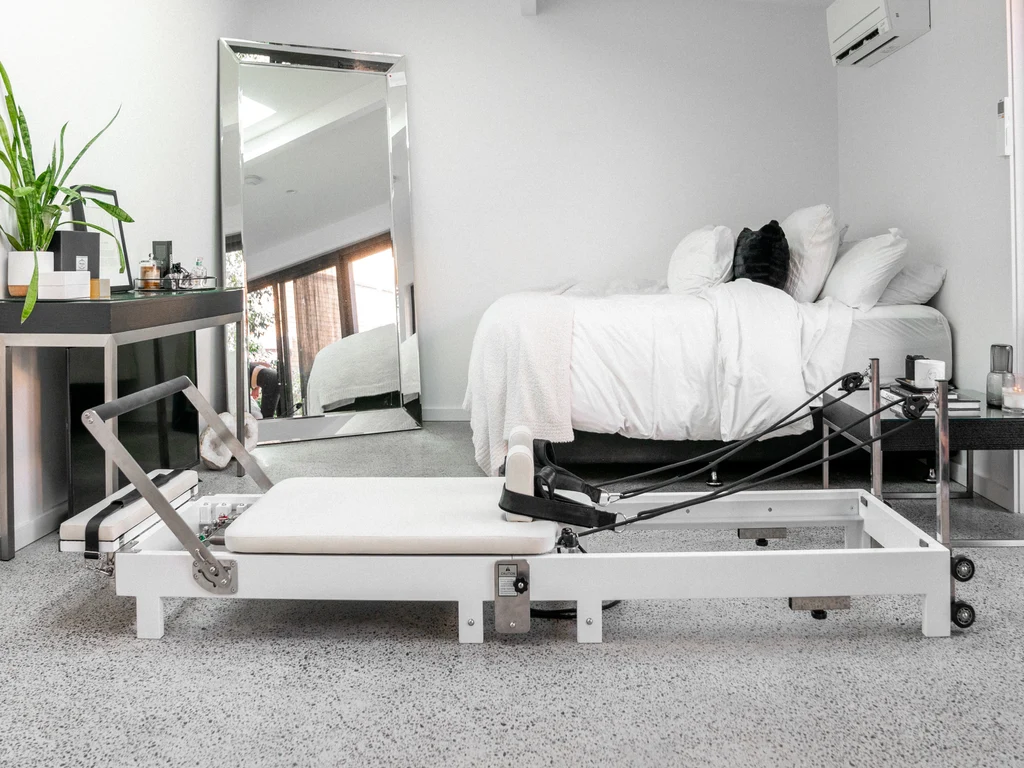
They should compare aluminium versus timber Pilates machines when assessing the mechanism, then tighten or service it according to the manufacturer’s guidance and stop use if the footbar position cannot be secured confidently.
What should they do about upholstery, padding, and grips?
They should clean upholstery gently, avoid soaking seams, and condition or protect surfaces as the brand recommends. A reformer bed often fails comfort checks before it fails mechanically, because cracked padding and slippery grips affect confidence and alignment.
In Australian heat, vinyl can dry out faster in rooms with direct sun. They should keep the reformer out of harsh UV where possible.
How does the environment in Australia affect reformer bed maintenance?
Australian conditions can be tough on equipment, especially near the coast or in dusty areas. For a reformer bed, salt air can accelerate rust on springs and metal fasteners, while fine dust can build up on rails and wheels.
They can reduce issues by keeping the room ventilated, cleaning more often in dusty seasons, and avoiding storage in garages that trap moisture.
Should they service a reformer bed professionally, and how often?
They should consider professional servicing if the machine is used commercially, if it has complex adjustments, or if they notice recurring issues. For a reformer bed in a studio, an annual service is a common baseline, with extra checks if usage is heavy.
For home owners, professional servicing every one to two years can be enough, especially if they stick to routine inspections and keep a log of replacements.
What parts typically need replacing over the lifetime of a reformer bed?
Over years of use, consumables wear out first. For a reformer bed, the most commonly replaced parts are springs, ropes, straps, pulley components, wheel assemblies, and sometimes carriage padding.
Less commonly, owners may replace footbar parts, locks, and bearings. The frame itself often lasts much longer when fasteners are kept tight and the unit is not dragged around.
How can they estimate total maintenance costs over time?
They can estimate costs by planning for consumables and an occasional service call. A reformer bed used lightly at home may only need periodic rope or spring replacement, while a studio unit can cycle through springs and straps more often.
They can reduce surprises by setting a yearly budget line for parts, keeping spare springs or cords on hand, and recording the installation dates.
What mistakes shorten a reformer bed’s lifespan?
The biggest mistakes are skipping inspections, using the wrong cleaning products, and ignoring early warning signs. With a reformer bed, forcing a noisy carriage, using worn springs, or continuing with frayed cords can turn a minor fix into a major repair.
Another common issue is moving the machine incorrectly. Dragging it can stress joints, rails, and feet, especially on uneven Australian flooring.
What simple maintenance schedule should they follow?
They should follow a repeatable schedule that matches how often the machine is used. For a reformer bed, a practical routine looks like this:
- After each use: wipe contact points, quick scan of springs and cords
- Weekly: clean rails, check straps, tighten obvious loose fasteners
- Monthly: inspect wheels, pulleys, rope wear, footbar locks, alignment
- Yearly: consider professional service, replace worn consumables proactively
If usage is high, they should shorten the intervals rather than wait for problems.
What is the bottom line for reformer bed maintenance over its lifetime?
A reformer bed stays safe and smooth when owners treat maintenance as a habit, not a repair job. With consistent cleaning, regular inspections, and timely replacement of wear parts, a reformer bed can deliver reliable performance for years in Australian homes and studios.
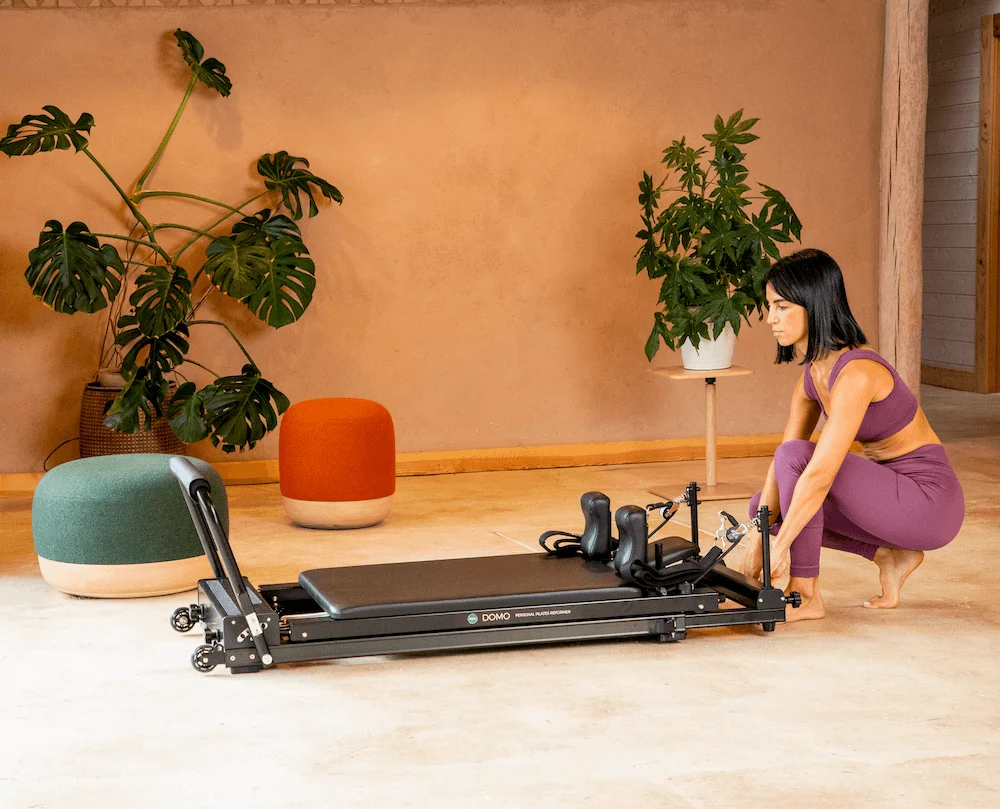
They do not need to overcomplicate it. They just need to stay consistent, keep records, and act early when something feels off.
FAQs (Frequently Asked Questions)
What is lifetime maintenance for a reformer bed in Australia?
Lifetime maintenance involves ongoing care to keep the reformer bed’s frame stable, carriage gliding smoothly, and resistance system functioning properly. This includes regular cleaning, checking and tightening fasteners, maintaining wheels and rails, and replacing consumable parts such as springs and ropes. Consistency in maintenance is key, especially considering Australian conditions like dust and coastal air that can accelerate wear.
How often should I clean my reformer bed to ensure optimal performance?
You should wipe down all contact surfaces after each use to remove sweat and grime. Additionally, perform a more thorough cleaning weekly using a slightly damp microfibre cloth on the carriage, footbar, shoulder rests, and rails, followed by drying any moisture immediately. Regular cleaning helps prevent buildup that can affect rollers, rails, and moving joints.
Which cleaning products are safe to use on reformer beds in Australia?
Use mild, non-abrasive cleaners suitable for vinyl upholstery, timber finishes, and powder-coated or anodised metal surfaces. Avoid harsh chemicals like bleach, heavy solvents, and oily sprays that can damage upholstery or finishes. For studios, Australian-made disinfectants designed for fitness equipment are recommended; always wipe and dry surfaces thoroughly after cleaning.
What daily checks can prevent most problems with a reformer bed?
Perform quick daily inspections looking for unusual noises such as squeaks or grinding, uneven carriage movement, loose bolts or fasteners, and fraying or wear in cords and springs. Checking the footbar locking mechanism ensures it engages securely. These simple scans typically take under a minute but help catch issues early before they become major repairs.
How do I maintain the carriage, rails, wheels, springs, ropes, pulleys, footbar, and locking systems monthly?
Monthly maintenance should include inspecting the full moving system: clean rails to remove dust buildup; check wheels for flat spots or wobble; inspect springs for stretching or rust; examine ropes for fraying or stiffness; verify pulleys spin freely without wobble; assess straps for cracking or weakened Velcro; test footbar locks for firm engagement without slipping. Tighten any loose fasteners and ensure alignment remains correct.
When should springs and ropes be replaced on a reformer bed?
Replace springs if you notice stretching, rusting (especially pitting or flaking coatings), uneven tension, or noisy movement that cleaning does not resolve. For ropes and cords, watch for fraying strands, fuzzy patches, stiff sections, or uneven tracking through pulleys. Replace cords proactively before they snap to maintain safety. In humid Australian coastal environments or busy studios with heavy use, replacements may be needed more frequently.
<script type="application/ld+json">
{
  "@context": "https://schema.org",
  "@type": "BlogPosting",
  "mainEntityOfPage": {
    "@type": "WebPage",
    "@id": "https://especiallyforyouhomedecor.com/what-maintenance-does-a-reformer-bed-need-over-its-lifetime/"
  },
  "headline": "What Maintenance Does a Reformer Bed Need Over Its Lifetime?",
  "image": [
    "https://especiallyforyouhomedecor.com/wp-content/uploads/2026/08/Pilates1_1024x1024.webp",
    "https://especiallyforyouhomedecor.com/wp-content/uploads/2026/08/Domo_Reformer_Rental_0465.webp",
    "https://especiallyforyouhomedecor.com/wp-content/uploads/2026/08/IMG_2557_da6f9b4a-37a0-48bf-a9ec-30adea32fed9.webp"
  ],
  "author": {
    "@type": "",
    "name": "Christ Johnsen",
    "url": "https://especiallyforyouhomedecor.com/author/admin/"
  },
  "publisher": {
    "@type": "Organization",
    "name": "Especially for you Home Decor",
    "logo": {
      "@type": "ImageObject",
      "url": "https://especiallyforyouhomedecor.com/wp-content/uploads/2024/06/logo1.png"
    }
  },
  "datePublished": ""
}
</script>